
Craftsman Snow Blower User Manual: A Comprehensive Guide
This manual details Craftsman snowblower operation, maintenance, and troubleshooting, covering models like the 24-inch thrower, including electric start features and parts availability.
Congratulations on selecting a Craftsman snow blower! This machine is designed for efficient and reliable snow removal, helping you reclaim your winter. Before operation, carefully review this manual to understand its features, controls, and safety guidelines. Familiarize yourself with all components, from the auger and impeller system to the drive controls.

This guide covers various models, including those with electric start, ensuring a smooth and hassle-free experience. Remember to check for readily available parts and resources online, such as those found on platforms like eBay and YouTube, for support and maintenance. Proper understanding will maximize performance and longevity.
Safety Precautions & Warnings
Operating a snow blower involves inherent risks. Always prioritize safety! Before starting, thoroughly inspect the work area, removing obstacles like toys and debris. Never operate indoors or in enclosed spaces due to carbon monoxide risk. Keep hands and feet clear of the auger and impeller – they operate with significant force.
Never attempt repairs while the engine is running. Disconnect the spark plug wire for maintenance. Be mindful of bystanders and pets. Review all safety rules detailed within this manual before each use to prevent potential injuries and ensure responsible operation of your Craftsman snow blower.
General Safety Rules

Always wear appropriate safety glasses or a face shield to protect your eyes from flying debris. Dress warmly, but avoid loose clothing that could get caught in moving parts. Never allow children to operate the snow blower, and keep them a safe distance away during operation.
Ensure firm footing while operating on slippery surfaces. Never direct the discharge chute towards people, pets, or property. Be aware of your surroundings and potential hazards. Read and understand this manual completely before use, adhering to all warnings and instructions for safe operation.
Operating Safety
Before starting, clear the work area of obstacles like stones, toys, and wires. Never operate the snow blower indoors or in enclosed spaces. Avoid operating on steep slopes, as loss of control could occur. If the auger becomes clogged, always shut off the engine and disconnect the spark plug before attempting to clear it.
Maintain a safe distance from the machine during operation. Never put hands or feet near the rotating auger or impeller. Be cautious when changing directions on slopes or uneven terrain, ensuring stable footing and control at all times.
Maintenance Safety
Always disconnect the spark plug wire before performing any maintenance, including blade changes or belt replacements, to prevent accidental starting. Allow the engine to cool completely before working on hot components like the muffler. Wear appropriate safety glasses and gloves during maintenance procedures.
When replacing shear pins, ensure you use the correct replacement parts specified by Craftsman. Regularly inspect belts for wear and tear, replacing them as needed. Never modify safety devices or disable interlock systems. Proper maintenance ensures safe and reliable operation.
Understanding Your Snow Blower Components
Your Craftsman snow blower consists of several key systems working in harmony. The auger and impeller system gathers and throws snow, while the drive system provides forward and reverse motion. Familiarize yourself with the location of controls, including the chute direction and deflector adjustments.
Understanding these components – from the engine to the shear pins – is crucial for safe operation and effective maintenance. Identifying key parts allows for easier troubleshooting and replacement when necessary, ensuring your snow blower remains in optimal condition.
Key Parts Identification
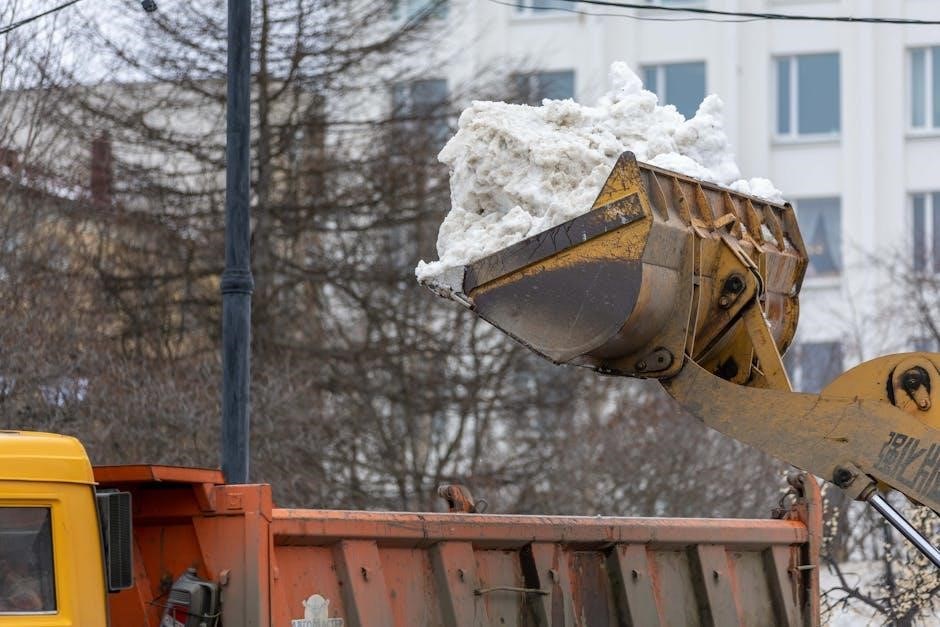
Essential components include the engine (electric or manual start), auger housing, impeller, shear pins, drive wheels, and snow chute. Locate the fuel tank, oil dipstick, and control levers. The deflector directs snow discharge, while the scraper bar clears snow from the surface.
Familiarize yourself with the handle assembly and its controls. Knowing the location of each part simplifies maintenance and repairs. Refer to diagrams within this manual for precise identification, aiding in parts ordering and understanding the snow blower’s overall functionality.
Auger & Impeller System
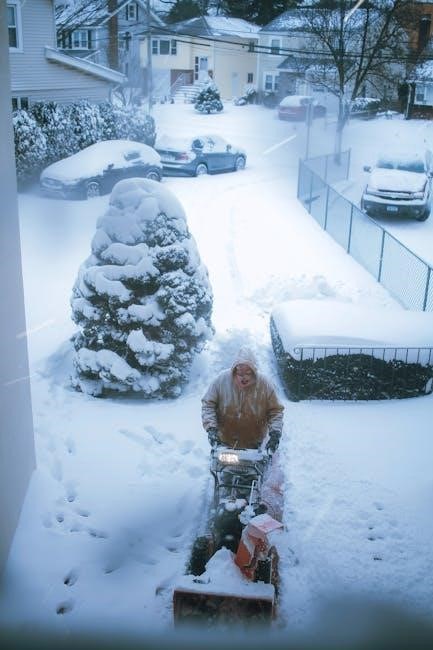
The auger, a rotating spiral blade, breaks up and gathers snow, feeding it into the impeller. The impeller, a high-speed fan, then forcefully discharges the snow through the chute. Shear pins protect the system from damage by breaking upon impact with solid objects.
Regular inspection of the auger blades and impeller for wear or damage is crucial. Ensure proper alignment and rotation for optimal performance. Understanding this system allows for efficient snow removal and prevents potential mechanical issues, extending the lifespan of your Craftsman snow blower.
Drive System & Controls
Craftsman snow blowers utilize a drive system enabling forward and reverse movement. Controls typically include a drive engagement lever and speed settings, allowing adjustment for varying snow conditions. The Cx Series and other models feature self-propelled functionality, reducing operator effort.
Familiarize yourself with the location and operation of all controls before use. Proper engagement of the drive system ensures efficient snow clearing. Regularly check drive belts for wear and tension, maintaining optimal performance and preventing slippage during operation. Safe operation relies on understanding these controls.
Assembly Instructions
Before initial use, careful assembly is crucial for safe and effective operation. This process generally involves attaching the handle, ensuring secure connections for optimal control. Next, the auger housing must be installed, verifying proper alignment and fastening. Finally, attach the snow chute and deflector, confirming directional control.
Refer to the detailed diagrams within this manual for specific model instructions. Double-check all bolts and fasteners for tightness. Improper assembly can lead to malfunction or safety hazards. Take your time and ensure each component is correctly installed before operating the snow blower.
Handle Assembly
Begin by unpacking the handle components and identifying all included hardware. Attach the upper and lower handle sections using the provided bolts, washers, and nuts, ensuring a snug but not overly tight fit initially. Align the handle with the snow blower’s chassis, locating the designated mounting points.
Secure the handle to the chassis using the appropriate fasteners, tightening them firmly once aligned. Verify the handle’s stability and ensure all controls are easily accessible. Proper handle assembly is vital for comfortable operation and precise steering during snow removal.
Auger Housing Installation
Carefully position the auger housing beneath the snow blower chassis, aligning the mounting brackets with the corresponding slots. Insert the provided bolts through the brackets and chassis, securing them with washers and nuts. Ensure the auger blades are free from obstructions before proceeding with full installation.
Tighten all bolts firmly, verifying the auger housing is securely attached and level. Double-check that the auger rotates freely without binding. Proper installation is crucial for efficient snow intake and throwing performance, preventing damage to the auger system.
Chute & Deflector Attachment
Begin by aligning the snow chute with the designated mounting point on the auger housing. Securely attach the chute using the provided carriage bolts and locking nuts, ensuring a snug fit. Next, position the deflector onto the chute outlet, aligning the attachment points.
Fasten the deflector with the corresponding hardware, allowing for adjustable snow discharge direction. Verify the chute rotates smoothly and the deflector is firmly secured. Proper attachment ensures optimal snow throwing control and prevents unwanted redirection during operation.
Operating Instructions
Before starting, ensure the area is clear of obstructions and people. For electric start models, connect the extension cord and verify proper grounding. If using a manual start, prime the engine and engage the choke. Follow the starting sequence detailed in your specific model’s instructions.
Once running, adjust the snow chute direction and deflector to your desired throwing path. Utilize the speed settings to match snow conditions – slower for light, fluffy snow, and faster for heavier drifts. Always maintain a firm grip and exercise caution during operation.
Starting the Engine (Electric & Manual Start)
Electric Start: Ensure a properly grounded extension cord is connected. Turn the key to the ‘start’ position, holding it until the engine ignites. Release the key immediately upon starting. Manual Start: Prime the fuel bulb several times. Engage the choke for cold starts. Firmly grasp the starter rope handle and pull briskly. Repeat as needed, disengaging the choke once the engine sputters.
Always check oil levels before each start. If the engine fails to start after several attempts, consult the troubleshooting section.
Adjusting Snow Chute Direction & Deflector
The snow chute directs the discharge flow. To adjust direction, rotate the chute handle located on the control panel. This allows for aiming snow away from driveways, walkways, and landscaping. The deflector controls the height of the snow stream. Adjust the deflector lever to modify the distance the snow is thrown.
Ensure the chute rotates freely before operation. Avoid forcing the adjustments. Regularly check for obstructions within the chute to maintain optimal performance and throwing distance.
Using the Speed Settings
Craftsman snow blowers often feature multiple speed settings for varying snow conditions. Lower speeds are ideal for light, fluffy snow, conserving fuel and reducing strain on the machine. Higher speeds are necessary for heavier, wet snow or larger drifts, providing increased clearing power.
Select the appropriate speed using the drive control lever. Start with a lower setting and increase as needed; Avoid excessively high speeds on smooth surfaces to maintain control and prevent damage.
Maintenance & Troubleshooting
Regular maintenance ensures optimal performance and extends the life of your Craftsman snow blower. This section covers routine checks, like belt inspections and shear pin replacements, crucial for preventing breakdowns. Troubleshooting common issues, such as engine starting problems or auger malfunctions, is also addressed.
Following a scheduled maintenance plan, detailed within this manual, will minimize downtime during winter. Promptly addressing any identified problems prevents further damage and ensures reliable operation when you need it most.
Regular Maintenance Schedule
To maintain peak performance, adhere to this schedule. Before each use, check oil levels and auger shear pins. After every five hours of operation, inspect the drive belt for wear and tear, and tighten any loose bolts.
Annually, before storage, stabilize the fuel and drain the carburetor. Replace the spark plug and thoroughly clean the machine. Regularly lubricating moving parts prevents corrosion and ensures smooth operation. Consistent adherence to this schedule minimizes potential issues and extends the lifespan of your Craftsman snow blower.
Belt Replacement
A worn or broken drive belt hinders snow removal. Disconnect the spark plug before starting! Access the belt by removing the belt cover. Note the belt routing before removal for correct reinstallation. Carefully remove the old belt, ensuring no debris remains.
Install the new belt, following the original routing diagram. Verify proper tension and alignment. Reattach the belt cover securely. A correctly installed belt ensures efficient power transfer from the engine to the auger and drive system, restoring optimal snow-clearing performance.
Shear Pins & Replacement
Shear pins protect the auger and drive system from damage when encountering solid objects. If the auger stops, a shear pin likely broke. Always disconnect the spark plug before inspection! Locate the broken pin(s) – typically near the auger housing.
Use a punch and hammer to drive out the remaining pin fragments. Install a new shear pin of the correct size and type. Do not reuse old pins! Proper shear pin replacement prevents costly damage and ensures continued safe operation of your Craftsman snow blower.

Storage & Off-Season Care
Proper off-season care extends your Craftsman snow blower’s life. Before storing, stabilize the fuel with a fuel stabilizer product to prevent degradation during prolonged inactivity. Alternatively, drain the fuel tank completely. Run the engine briefly after draining to clear fuel lines.

Clean the snow blower thoroughly, removing all snow and ice buildup. Lubricate moving parts. Store in a dry location, protected from the elements. A covered area, like a garage or shed, is ideal for preserving its condition.
Fuel Stabilization & Drain Procedures
To prepare your Craftsman snow blower for storage, fuel stabilization is crucial. Add a fuel stabilizer to a nearly full tank of fresh gasoline, then run the engine for approximately five minutes to circulate the treated fuel throughout the system.
Alternatively, completely drain the fuel tank. Use a siphon or carefully pour the fuel into an approved container. After draining, run the engine until it stalls to remove remaining fuel from the carburetor, preventing gumming and ensuring easy starting next season.
Cleaning & Lubrication
Before storing your Craftsman snow blower, thoroughly clean all surfaces, removing snow, ice, and debris. Pay close attention to the auger housing and impeller to prevent corrosion. Use a scraper and brush, avoiding direct water spray on electrical components.
Lubricate key moving parts, including the auger pivot points, drive gears, and control cables, with a suitable lubricant. This ensures smooth operation and prevents rust during off-season storage. Inspect and lubricate the shear pins as well for optimal performance.
Proper Storage Location
Select a dry, sheltered location for storing your Craftsman snow blower during the off-season. A garage, shed, or covered outdoor area is ideal, protecting it from the elements. Ensure the location is well-ventilated to prevent fuel-related issues.
Cover the snow blower with a waterproof tarp to shield it from dust and moisture. Avoid storing it directly on the ground; use pallets or a similar barrier. Keep it away from flammable materials and ensure children cannot access it.
Troubleshooting Common Issues
This section addresses frequent problems encountered with your Craftsman snow blower. If the engine fails to start, check the fuel level, spark plug, and ensure the safety interlocks are engaged correctly. An auger that won’t engage may indicate a shear pin issue or a blockage within the housing.
Drive system problems could stem from a worn belt or issues with the speed settings. Always disconnect the spark plug before inspecting or repairing any component. Refer to the maintenance section for detailed instructions on replacement parts.
Engine Won’t Start
If your Craftsman snow blower engine refuses to start, begin by verifying sufficient fuel in the tank and ensuring the fuel valve is open. Inspect the spark plug for fouling or damage, replacing it if necessary. Confirm the safety interlock switch is fully engaged – this is a crucial safety feature.
For electric start models, check the battery connection and charge. A flooded engine can also prevent starting; allow time for fuel to evaporate. If problems persist, consult a qualified technician for further diagnosis.
Auger Not Engaging
When the auger fails to engage, first disengage the drive control and shut off the engine for safety. Check the shear pins – these are designed to break upon impact with solid objects, protecting the auger system. Replace any broken shear pins with new ones of the correct size and type;
Inspect the auger belt for wear or breakage, adjusting tension if needed. Ensure no obstructions are lodged within the auger housing. If the issue remains, professional service may be required.
Drive System Problems
If the drive system isn’t functioning correctly, verify the drive belt is properly installed and tensioned; a loose or broken belt will prevent movement. Check the drive control cable for damage or disconnection, ensuring it engages the drive mechanism fully. Examine the transmission for leaks or unusual noises, indicating potential internal issues.
Confirm the speed selector is set to the desired setting. If problems persist, consult a qualified technician for diagnosis and repair, as transmission repairs can be complex.
Be First to Comment