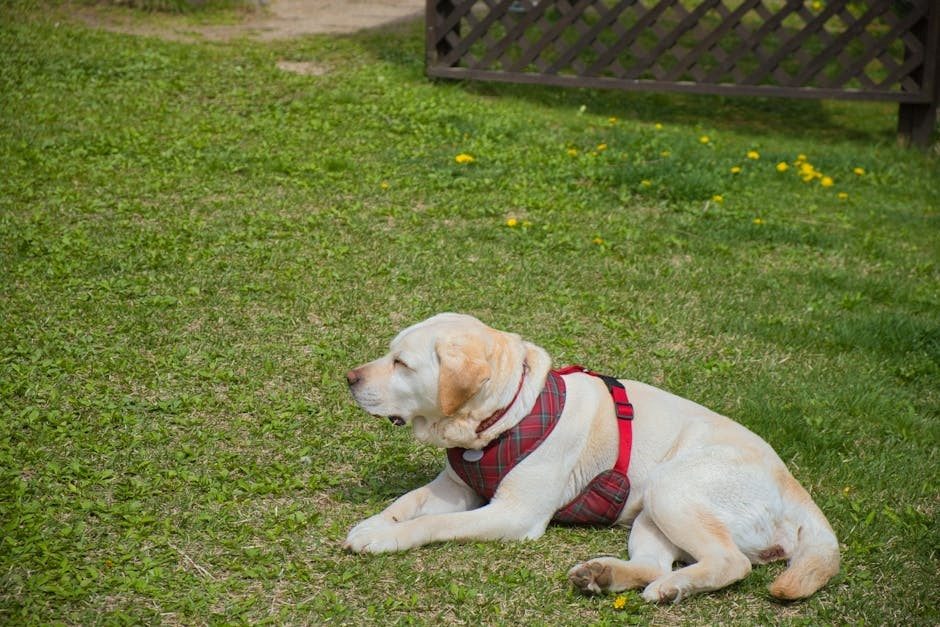
Understanding the Guide Dog Harness: A Comprehensive Guide
Navigating the world with a visual impairment relies heavily on a skilled guide dog‚ and the specialized harness is crucial.
It’s often surprisingly unrecognized‚ despite its clear indication of a working service animal‚ demanding public awareness and respect.
What is a Guide Dog Harness?
A guide dog harness is a specialized piece of equipment designed to facilitate independent travel for individuals with visual impairments. Unlike standard dog walking harnesses‚ these are meticulously crafted for a unique purpose: to communicate direction and provide a safe connection between handler and dog. The harness isn’t about controlling the dog‚ but rather enabling the handler to feel the dog’s movements and intentions.
Typically constructed from durable nylon‚ modern harnesses like the “DT Guide Light” prioritize lightweight design and visibility with reflective elements. The key feature is the handle‚ which the handler grips to receive directional cues. It’s a symbol of partnership‚ independence‚ and the dog’s dedicated work. Recognizing this harness is vital‚ as it signifies the dog is actively guiding and has public access rights‚ a point often overlooked as highlighted in recent online discussions.
The History of Guide Dog Harnesses
The origins of guide dog harnesses trace back to World War I‚ where German trainers sought to assist blinded veterans. Early iterations were rudimentary‚ often repurposed military equipment. However‚ the concept quickly evolved‚ recognizing the need for a specialized tool to communicate effectively. These early harnesses differed significantly from today’s designs‚ focusing primarily on physical control rather than nuanced communication.
Post-World War II saw significant advancements‚ with organizations refining harness designs for optimal comfort and functionality. The development of the handle became central‚ allowing handlers to interpret the dog’s subtle movements. Over time‚ materials transitioned from heavy leather to lighter‚ more durable nylon. The evolution reflects a growing understanding of the guide dog-handler partnership‚ shifting from control to collaborative guidance‚ a process still evident in modern training techniques and harness innovations.
Materials Used in Modern Guide Dog Harnesses
Contemporary guide dog harnesses prioritize durability‚ comfort‚ and lightweight design. Double-ply nylon fabric is a cornerstone‚ offering robust strength without excessive weight‚ as seen in the DT Guide Light harness. This material withstands daily wear and tear while remaining gentle on the dog’s skin. Reflective chest straps‚ often integrated‚ enhance visibility in low-light conditions‚ significantly improving safety for both dog and handler.
Beyond nylon‚ manufacturers utilize high-density webbing for load-bearing components‚ ensuring secure attachment points. Padding‚ typically made of neoprene or similar materials‚ cushions pressure points‚ preventing chafing. Hardware‚ including buckles and rings‚ is commonly constructed from stainless steel or heavy-duty plastic for corrosion resistance and longevity. The selection of materials balances functionality with the dog’s well-being‚ creating a harness built to endure rigorous use.
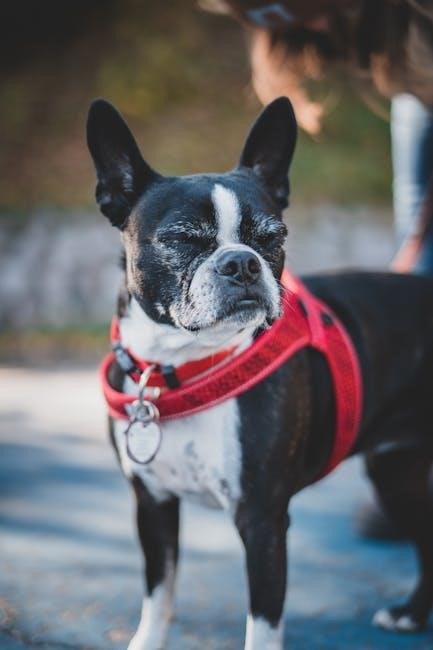
Key Features of a Standard Guide Dog Harness
Essential elements include a sturdy handle‚ precise fit adjustments‚ and prominent reflective strips for enhanced visibility and safety during all types of navigation.
The Handle: Design and Functionality
The handle on a guide dog harness isn’t merely a grip; it’s a sophisticated communication tool for the handler. Typically‚ it’s a robust‚ padded component designed for comfortable and secure holding during varied weather conditions and extended use. Its shape and positioning are carefully considered to facilitate clear directional cues – gentle pulls indicate turns‚ while pressure signals stops or changes in pace.
Crucially‚ the handle’s design allows the handler to feel the dog’s movements and intentions‚ fostering a strong partnership. Modern handles often incorporate features like quick-release buckles for emergency removal and durable materials to withstand daily wear and tear. The handle isn’t for public interaction; it’s strictly for the handler’s guidance and control‚ maintaining the dog’s focused work.
Harness Fit and Adjustment
Achieving a proper harness fit is paramount for both the dog’s comfort and the handler’s safety. A well-fitted harness distributes pressure evenly across the dog’s chest and shoulders‚ preventing chafing or restricted movement. Multiple adjustment points – typically around the chest‚ back‚ and potentially the belly – allow for a customized fit tailored to the individual dog’s physique and growth.
Regular checks are essential‚ especially for puppies still developing. The harness should allow a two-finger width between the straps and the dog’s body. Ill-fitting harnesses can cause discomfort‚ impede the dog’s gait‚ and even lead to injury. Professional fitting by a qualified guide dog mobility instructor is highly recommended to ensure optimal fit and functionality‚ maximizing the dog’s working ability.
Reflective Elements for Safety
Enhanced visibility is a critical safety feature of modern guide dog harnesses‚ particularly during low-light conditions. Reflective materials‚ often incorporated into the chest strap and potentially other areas of the harness‚ dramatically increase the dog and handler’s conspicuity to pedestrians‚ cyclists‚ and motorists.
These reflective elements work by bouncing back light from headlights and streetlights‚ creating a bright‚ noticeable outline. The DT Guide Light harness specifically utilizes a reflective chest strap‚ demonstrating this important design consideration. This feature isn’t merely aesthetic; it’s a vital component in preventing accidents and ensuring the team’s safety while navigating busy streets and unpredictable environments‚ especially during nighttime travel.
Early introduction to the harness is key‚ building positive associations for puppies‚ linking the harness with work and rewarding focused guidance behaviors.
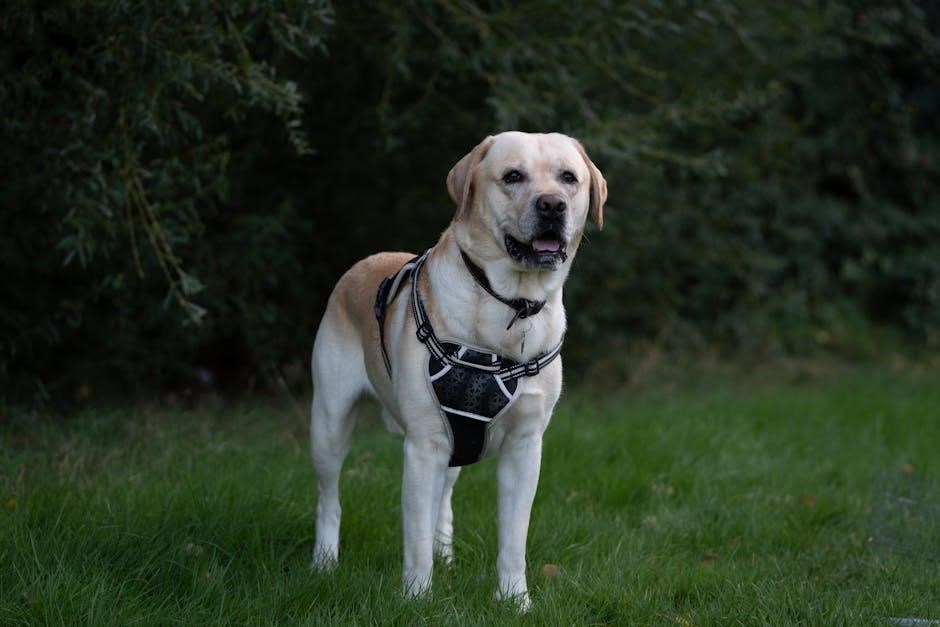
The very first experiences with the harness must be overwhelmingly positive for young puppies. This isn’t about immediate work; it’s about building comfort and acceptance. Trainers begin by simply allowing the puppy to investigate the harness‚ rewarding curiosity with praise and high-value treats.
Short‚ controlled exposures follow‚ gradually increasing the duration the puppy wears the harness – initially just for seconds at a time. The focus remains on positive reinforcement‚ ensuring the puppy associates the harness with good things. Distractions are minimized during these early stages‚ and the harness is presented as a normal‚ non-threatening part of the environment.
The goal is to create a neutral response‚ preventing any anxiety or resistance towards the equipment that will become essential for their future work as a guide dog.
Building Association: Harness = Work
Once the puppy is comfortable wearing the harness‚ the training shifts towards associating it with focused work and positive outcomes. This phase involves pairing harness wear with simple tasks‚ like following a straight line or responding to directional cues. Each successful completion is immediately rewarded with enthusiastic praise and a favorite treat.
Trainers carefully control the environment‚ gradually increasing the complexity of the tasks while the puppy is harnessed. The harness becomes a signal that it’s “work time‚” prompting the dog to enter a more focused and attentive state. This association is crucial for reliable guidance later on.
Consistency is key; the harness is only used during training sessions to solidify the connection between the equipment and purposeful activity.
Fading the Lure: Independent Guidance
As the dog progresses‚ trainers begin to “fade the lure‚” gradually reducing reliance on treats or verbal prompts to guide the handler. Initially‚ the dog might follow a hand signal and receive a reward. Then‚ the reward frequency decreases‚ and the signal becomes more subtle.
The goal is for the dog to anticipate the handler’s desired direction based on subtle cues – a slight shift in weight‚ a gentle pressure on the harness handle‚ or a change in walking pace. This fosters independent problem-solving and confident navigation.
Success relies on building the dog’s trust in the handler’s judgment and reinforcing correct responses with praise‚ not constant treats‚ ultimately leading to seamless‚ intuitive guidance.
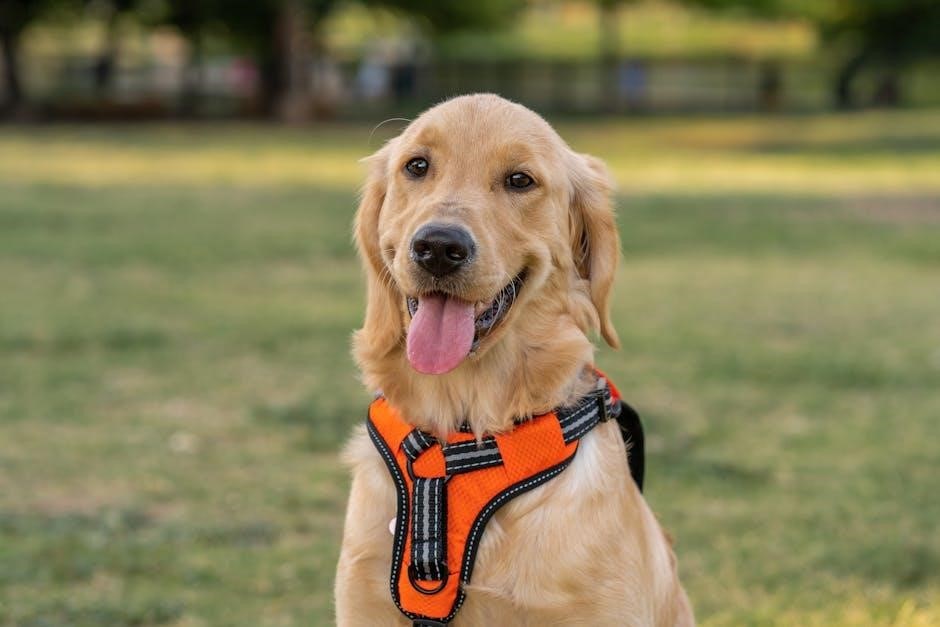
Recognizing a Guide Dog in Harness
Identifying a working guide dog involves observing specific visual cues‚ posture‚ and focused attention; ignoring the dog disrespects its crucial role and the handler’s independence.
Visual Cues: Identifying a Working Harness
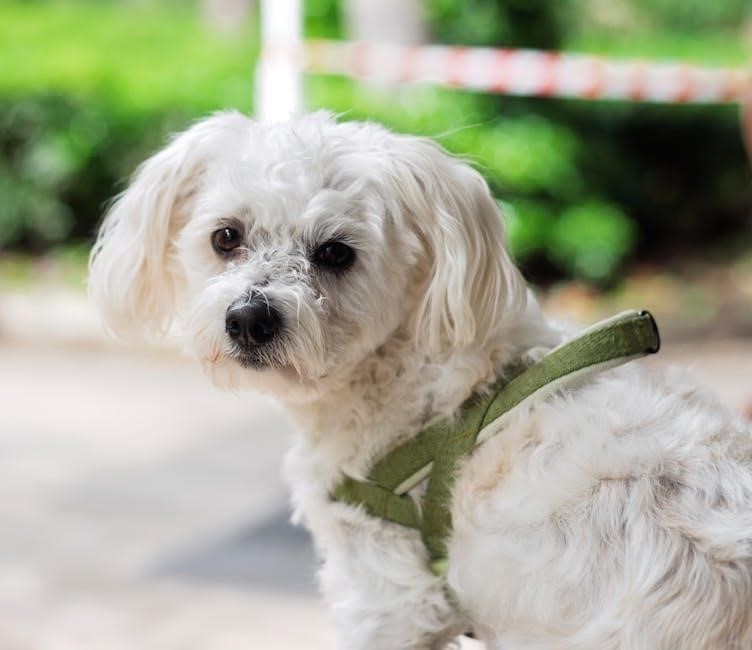
A guide dog harness isn’t simply a vest; it’s a purposefully designed piece of equipment signaling a working partnership. Key features distinguish it from typical pet harnesses. Look for a structured‚ often double-ply nylon construction‚ like the DT Guide Light‚ prioritizing durability and functionality. A prominent handle‚ designed for the handler’s grip and guidance‚ is a defining characteristic.
Reflective elements‚ enhancing visibility and safety‚ are commonly integrated into the harness design. The harness fit is precise‚ avoiding looseness or restriction‚ and is adjusted for optimal comfort and control. It’s crucial to remember that these harnesses aren’t fashion statements; they represent a dog actively performing a vital service. Recognizing these visual cues fosters respect and understanding within public spaces‚ ensuring the team can navigate safely and independently.
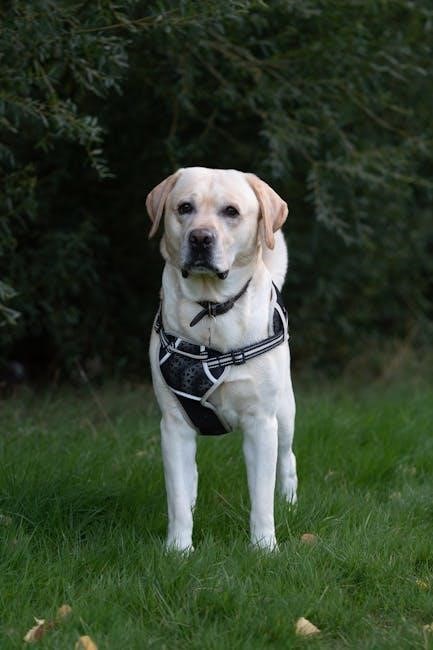
Understanding the Dog’s Posture and Focus
When a guide dog is actively working‚ its posture and focus dramatically shift. The dog maintains a straight‚ purposeful gait‚ exhibiting unwavering concentration on the environment and the handler’s cues. Unlike a pet on a leisurely walk‚ a working guide dog demonstrates a heightened sense of responsibility and alertness.
Their body language communicates a clear message: “I am working.” Expect a steady pace‚ minimal distractions‚ and a direct line of sight‚ often slightly ahead of the handler. Ignoring direct interaction attempts from strangers is also typical. Recognizing this focused demeanor is vital for respectful interaction; avoid calling the dog’s name or attempting to engage it‚ as this can disrupt its concentration and compromise the handler’s safety and independence.
Public Access Rights and Etiquette
Guide dog teams possess legal rights to access public spaces under the Americans with Disabilities Act (ADA)‚ though state laws can sometimes offer additional protections. This includes restaurants‚ stores‚ transportation‚ and other areas open to the public. However‚ exercising these rights respectfully requires understanding proper etiquette.
Always address the handler‚ not the dog. Avoid distracting the dog with talking‚ petting‚ or offering food. Do not ask about the handler’s disability; it’s considered inappropriate. Respect the dog’s workspace – do not block its path or interfere with its guidance. Businesses are legally obligated to accommodate guide dog teams‚ and interfering with access is a violation of federal law. Prioritizing respectful interaction ensures both the handler’s safety and the dog’s ability to perform its vital work.
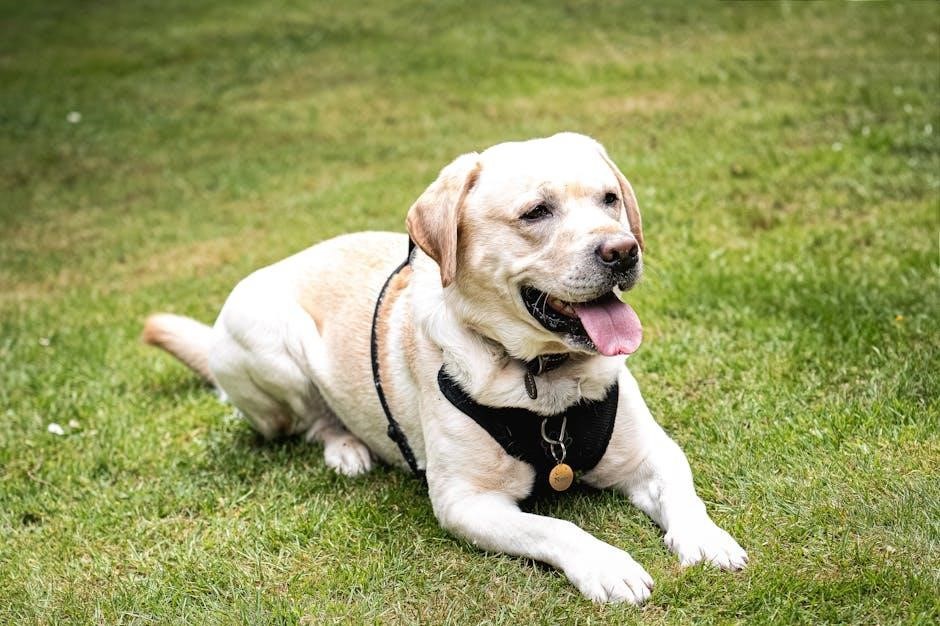
Harness Maintenance and Care
Regular cleaning and inspection are vital for a guide dog’s harness‚ ensuring its longevity and functionality.
Conditioning and timely replacement prevent wear and tear‚ safeguarding both dog and handler.
Cleaning and Conditioning the Harness
Maintaining a guide dog harness requires consistent cleaning to remove dirt‚ debris‚ and potential allergens that accumulate during daily use. Gentle cleaning is key; avoid harsh chemicals or abrasive cleaners that could damage the nylon or leather components. A mild soap and water solution‚ applied with a soft cloth‚ is generally sufficient.
After cleaning‚ thorough drying is essential to prevent mildew or weakening of the materials. Air drying is preferred‚ avoiding direct sunlight or heat sources. Conditioning the harness‚ particularly if it’s leather‚ helps to maintain its suppleness and prevent cracking. Leather conditioners specifically designed for dog equipment are recommended. Regular conditioning extends the harness’s lifespan and ensures continued comfort for the working dog‚ contributing to their overall well-being and effectiveness.
Inspecting for Wear and Tear
Regular inspection of a guide dog harness is paramount for ensuring both the dog’s safety and continued effective guidance. Focus on key stress points – the handle attachments‚ buckle closures‚ and any areas subject to friction. Look for fraying of the nylon webbing‚ cracks in leather components‚ or signs of stitching coming undone.
Pay close attention to the reflective elements‚ ensuring they remain intact and visible‚ crucial for nighttime safety. Check the hardware – D-rings and buckles – for corrosion or damage. Early detection of wear allows for timely repairs or replacement‚ preventing potential failures during work. A proactive approach to inspection minimizes risks and supports the guide dog’s ability to confidently navigate and assist their handler‚ maintaining a vital partnership.
Replacement Schedules and Considerations
Determining a guide dog harness’s lifespan isn’t fixed; it depends heavily on usage‚ environmental factors‚ and the dog’s activity level. Generally‚ harnesses require replacement every one to three years‚ but consistent inspection dictates the actual timeline. Increased wear and tear‚ despite repairs‚ signals the need for a new harness.
Consider the dog’s age and working style. A more active dog will likely wear through a harness faster. Budgeting for regular replacements is essential for guide dog organizations and individual handlers. Prioritize quality materials and construction for longevity. Don’t delay replacement; a compromised harness jeopardizes the dog’s safety and ability to provide reliable guidance‚ impacting the handler’s independence and confidence.
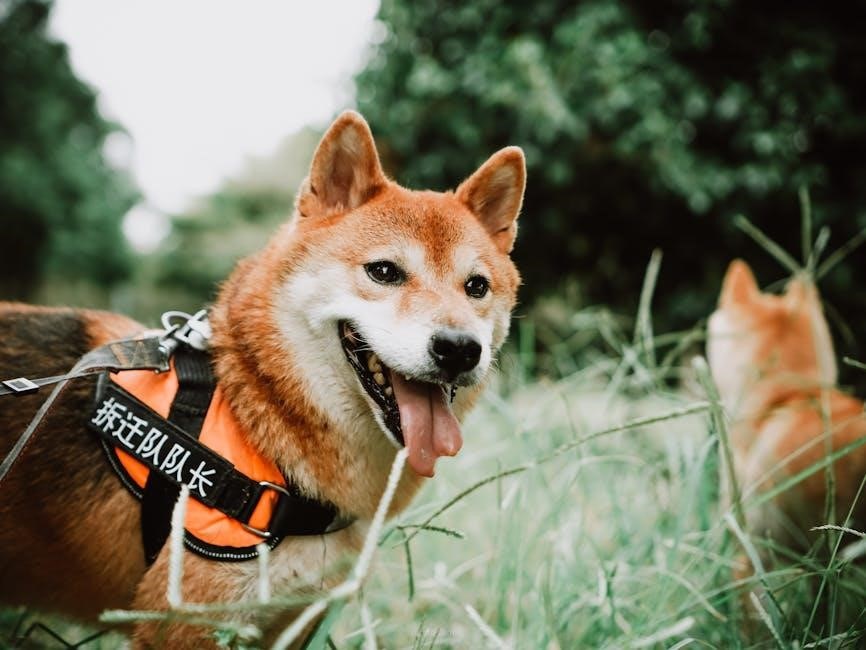
Advanced Harness Types & Technologies
Modern innovations include tactical harnesses for specialized tasks‚ lightweight designs enhancing comfort‚ and modular systems offering customizable functionality for diverse needs.
Tactical Harnesses for Specialized Tasks
While commonly associated with police K9 units – breeds like German Shepherds and Belgian Malinois often utilizing them – tactical harness principles are adapting for specialized guide work. These harnesses prioritize durability and modularity‚ allowing for attachment of equipment beyond standard guidance.

For guide dogs assisting individuals with multiple disabilities‚ or navigating complex environments‚ a tactical-inspired harness can accommodate carrying small medical supplies‚ communication devices‚ or even specialized tools. The robust construction offers enhanced support and control in challenging situations‚ providing increased stability for both dog and handler.
However‚ it’s crucial to balance functionality with comfort and avoid unnecessary bulk. Adaptations focus on reinforcing key stress points and providing secure attachment options‚ rather than replicating the full weight and complexity of a police K9 harness.
Lightweight Mobility Harnesses
Prioritizing comfort and ease of movement‚ lightweight mobility harnesses are a cornerstone of guide dog equipment. Constructed from materials like double-ply nylon‚ these harnesses minimize strain on the dog during extended work periods. The focus is on providing essential support without adding unnecessary weight or restriction.
Designs often incorporate reflective chest straps‚ significantly enhancing visibility in low-light conditions – a critical safety feature for both dog and handler navigating busy streets. This increased visibility reduces the risk of accidents and ensures the team is easily seen by pedestrians and vehicles.
The DT Guide Light exemplifies this approach‚ offering a balance of durability‚ functionality‚ and comfort. These harnesses are ideal for everyday guidance tasks‚ allowing the dog to move freely and efficiently while maintaining a secure connection with the handler.
Harnesses with Modular Capabilities
For specialized working roles‚ particularly within law enforcement or tactical applications‚ harnesses with modular capabilities offer unparalleled versatility. These systems allow handlers to customize the harness with attachments for specific equipment‚ such as pouches for medical supplies‚ communication devices‚ or even tracking tools.
German Shepherds and Belgian Malinois frequently utilize these harnesses‚ benefiting from the ability to carry essential gear hands-free. The modular design ensures the harness adapts to the demands of the task‚ providing a secure and adaptable platform for the working dog.
This adaptability extends beyond equipment carrying; modularity can also incorporate features like reinforced pull points or specialized padding for enhanced comfort and protection during challenging operations. These harnesses represent a significant advancement in canine working equipment.
Be First to Comment