
Wheat Belly Diet Plan: A Comprehensive Guide
Discover a detailed plan for eliminating wheat, focusing on vegetables, healthy fats, and proteins, as outlined in readily available Wheat Belly Diet PDF resources.
The Wheat Belly Diet, detailed in accessible PDF guides, proposes a transformative approach to health by eliminating all wheat-based products. This isn’t simply a gluten-free diet; it’s a complete removal of wheat from your eating plan.
The core principle centers on the belief that modern wheat, significantly altered from its ancestral form, contributes to various health issues. The diet emphasizes abundant non-starchy vegetables, alongside healthy fats, proteins, and limited fruit, nuts, and seeds. It’s a plan designed for weight loss and improved well-being, readily available for download and implementation.
What is Wheat Belly? Understanding the Core Principles
The “Wheat Belly” concept, thoroughly explained in a downloadable diet plan PDF, centers on the idea that modern wheat is detrimental to health. It argues that wheat consumption leads to inflammation, weight gain, and various digestive issues.
The diet’s core principle is complete wheat elimination. Focus shifts to unlimited non-starchy vegetables, moderate fruit intake, and ample healthy fats and proteins. Avoiding sugar, processed foods, and trans fats is also crucial. This approach aims to reduce inflammation and promote overall wellness, as detailed in the comprehensive guide.
The Problem with Modern Wheat
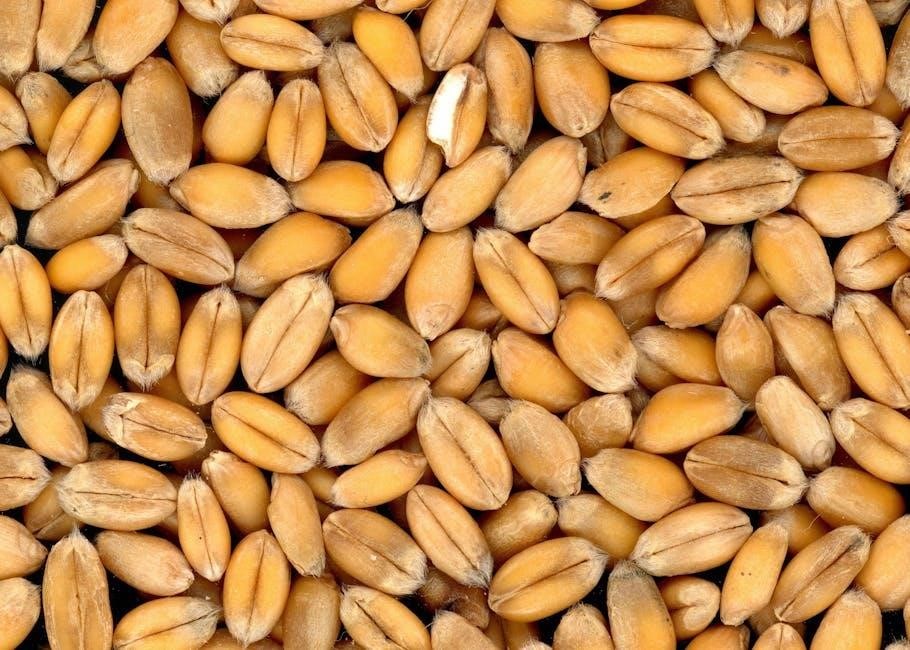
According to the Wheat Belly diet plan PDF, modern wheat differs drastically from its ancestral forms. Hybridization has created strains with higher gluten content, contributing to digestive problems and inflammation.
The diet posits that this altered wheat triggers an inflammatory response in the body, leading to weight gain and increased risk of chronic diseases. The PDF emphasizes avoiding all wheat-based products – bread, pasta, cereals – to mitigate these effects and restore optimal health. It’s a fundamental tenet of the plan.
The Impact of Hybridization on Wheat
The Wheat Belly diet plan PDF details how wheat hybridization, beginning in the mid-20th century, dramatically altered the grain’s genetic makeup. This process aimed to increase yields, but inadvertently created a wheat high in gluten proteins, particularly gliadin.
These new wheat strains are described as significantly different from the wheat consumed by our ancestors. The PDF suggests this hybridization is a key factor in the rise of modern health issues, as the body struggles to process this novel form of gluten, leading to inflammation and digestive distress.
Glycemic Index and Wheat Consumption
According to the Wheat Belly diet plan PDF, modern wheat possesses a surprisingly high glycemic index (GI). This means it causes a rapid spike in blood sugar levels, triggering an insulin response.
Frequent consumption of high-GI foods, like wheat-based products, can lead to insulin resistance, weight gain, and an increased risk of type 2 diabetes. The diet emphasizes minimizing these spikes by eliminating wheat and focusing on foods with a lower GI, promoting stable energy levels and overall health.
Foods to Eliminate on the Wheat Belly Diet
The Wheat Belly diet plan PDF clearly outlines a strict elimination list. All forms of wheat – bread, pasta, cereals, and even seemingly innocuous products – must be removed.
Beyond wheat itself, the diet advises avoiding sugar, processed foods, fried items, cured meats, and notably, hydrogenated trans fats. This comprehensive approach aims to reduce inflammation and support optimal health by removing potentially harmful components from the diet, paving the way for improved well-being.
All Forms of Wheat: Bread, Pasta, Cereals
According to the Wheat Belly diet plan PDF, complete wheat avoidance is paramount. This extends far beyond obvious sources like loaves of bread and bowls of pasta.
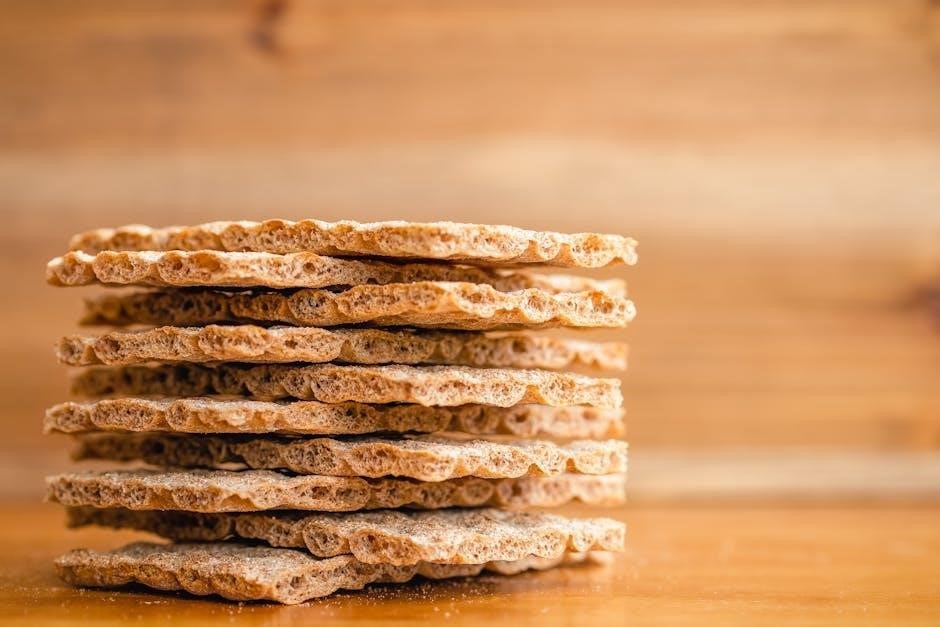
All wheat-based cereals, even those marketed as ‘healthy’, are strictly prohibited. This includes breakfast cereals, crackers, and any baked goods utilizing wheat flour. The diet emphasizes that even small amounts of wheat can hinder progress, necessitating diligent label reading and complete elimination.
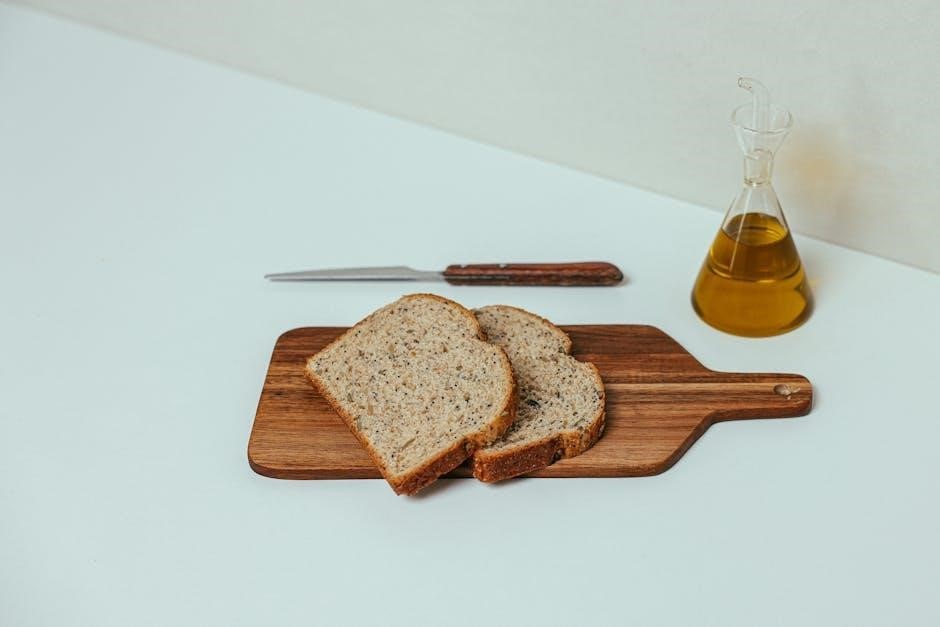
Hidden Wheat Ingredients to Watch Out For
The Wheat Belly diet plan PDF highlights the prevalence of hidden wheat in processed foods. Be vigilant for ingredients like modified food starch, which can be wheat-derived, and malt flavoring.
Soy sauce, many sauces, and even processed meats often contain wheat as a filler or binding agent. Hydrolyzed vegetable protein can also be a sneaky source. Thoroughly scrutinize ingredient lists, and when in doubt, choose whole, unprocessed foods to ensure strict adherence to the diet’s principles.
Foods to Enjoy on the Wheat Belly Diet
According to the Wheat Belly diet plan PDF, the focus shifts to whole, unprocessed foods. Enjoy unlimited non-starchy vegetables, providing essential nutrients and fiber.
Incorporate healthy fats like olive oil and avocado oil, alongside protein sources such as meat, poultry, and fish. The diet also allows for limited fruit, nuts, seeds, non-wheat grains, and even moderate amounts of dairy and sweet treats, promoting a sustainable and enjoyable eating pattern.
Unlimited Non-Starchy Vegetables
The Wheat Belly diet plan PDF emphasizes a cornerstone of the diet: unlimited consumption of non-starchy vegetables. This includes leafy greens like spinach and kale, broccoli, cauliflower, asparagus, peppers, and zucchini.
These vegetables are low in carbohydrates and rich in vitamins, minerals, and fiber, promoting satiety and overall health. Enjoy them freely as the foundation of your meals, building a nutrient-dense and satisfying diet without restriction, supporting weight management and well-being.
Healthy Fats and Oils: Olive Oil, Avocado Oil
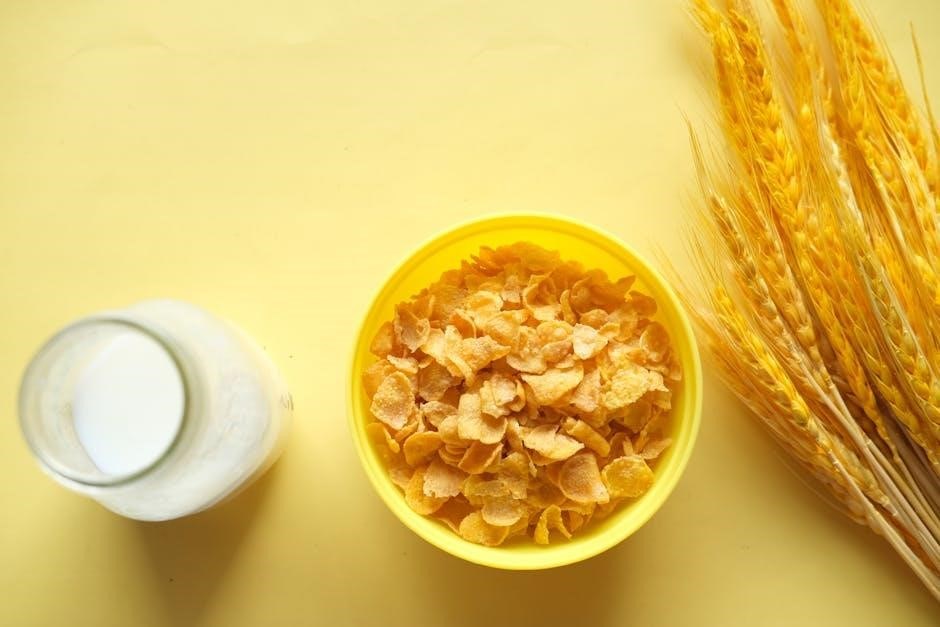
According to the Wheat Belly diet plan PDF, incorporating healthy fats is crucial. Prioritize monounsaturated and polyunsaturated fats found in olive oil and avocado oil.
These oils support heart health, reduce inflammation, and enhance nutrient absorption. Use them liberally in cooking, salad dressings, and as finishing oils. Nuts and seeds also contribute beneficial fats. Avoid processed vegetable oils and trans fats, focusing on whole, natural sources for optimal health benefits.
Protein Sources: Meat, Poultry, Fish
The Wheat Belly diet plan PDF emphasizes adequate protein intake for satiety and muscle maintenance. Focus on high-quality protein sources like meat, poultry, and fish.
Choose grass-fed beef, organic poultry, and wild-caught fish whenever possible. These options provide essential amino acids and nutrients. Limit processed meats and cured meats, as the diet recommends avoiding them. Protein helps stabilize blood sugar and supports overall well-being during wheat elimination.
Sample 7-Day Wheat Belly Diet Plan
A Wheat Belly diet plan PDF typically begins with an initial elimination phase (days 1-3). This focuses on removing all wheat and processed foods.
Days 4-7 transition to long-term maintenance. This includes unlimited non-starchy vegetables, healthy fats, and protein. Limited fruit, nuts, and seeds are also permitted. The diet encourages avoiding sugar, fried foods, and hydrogenated trans fats for optimal results and sustained health benefits.
Day 1-3: Initial Elimination Phase
According to a Wheat Belly diet plan PDF, the first three days are crucial for eliminating wheat entirely. Focus on consuming unlimited non-starchy vegetables, healthy oils like olive and avocado oil, and sufficient protein from sources like meat, poultry, and fish.
Strictly avoid all wheat-based products, including bread, pasta, and cereals. This initial phase aims to quickly reduce wheat’s impact and begin the process of reducing inflammation and improving gut health.
Day 4-7: Transitioning to Long-Term Maintenance
As detailed in a Wheat Belly diet plan PDF, days four through seven focus on establishing sustainable habits. Continue prioritizing vegetables, healthy fats, and proteins, but introduce limited servings of fruit, nuts, seeds, and dairy.
The goal is to cautiously reintroduce some foods while remaining vigilant about avoiding wheat, sugar, and processed items. This phase prepares you for long-term adherence and allows for moderate enjoyment of certain treats.
Wheat Belly Diet and Weight Loss
According to the Wheat Belly diet plan PDF, weight loss is a common outcome due to eliminating wheat and reducing overall carbohydrate intake. This dietary shift encourages the body to tap into fat reserves for energy, promoting fat burning.
The diet’s focus on whole, unprocessed foods also contributes to satiety, reducing cravings and calorie consumption. While results vary, the plan aims for significant weight reduction by addressing inflammation and improving metabolic function.
How the Diet Promotes Fat Burning
The Wheat Belly diet plan PDF emphasizes wheat elimination to lower insulin levels. Reduced insulin signals the body to switch from storing fat to burning it for fuel.
By removing wheat, the diet minimizes blood sugar spikes and subsequent insulin surges. This metabolic shift, combined with increased intake of healthy fats and proteins, supports sustained fat burning and weight management. The focus on whole foods further enhances this process.
Expected Weight Loss Results
According to the Wheat Belly diet plan PDF, initial weight loss can be significant, often 15-20 pounds in the first few weeks, primarily due to water weight reduction.
Beyond this, a consistent weight loss of 1-2 pounds per week is realistic with adherence to the diet’s principles. Results vary based on individual factors like starting weight, activity level, and metabolic rate. Sustained success relies on long-term commitment to wheat avoidance.
Potential Health Benefits Beyond Weight Loss
The Wheat Belly diet plan PDF suggests benefits extending beyond weight management. Many report improved digestion and gut health due to eliminating a common inflammatory trigger.
Furthermore, reducing wheat intake may lead to reduced inflammation throughout the body, potentially alleviating symptoms of autoimmune conditions. Some individuals experience increased energy levels and improved mental clarity. These benefits stem from removing a potentially problematic food group.
Improved Digestion and Gut Health
According to the Wheat Belly diet plan PDF, eliminating wheat can significantly improve digestive function. Wheat contains components like gluten and amylase-trypsin inhibitors that can irritate the gut lining.
Removing these may reduce bloating, gas, and abdominal discomfort. A healthier gut microbiome can flourish without the constant irritation, leading to better nutrient absorption and overall digestive wellness. This supports a stronger immune system and improved well-being.
Reduced Inflammation
The Wheat Belly diet plan PDF emphasizes that modern wheat can contribute to systemic inflammation in the body. This is due to its impact on gut health and the potential for increased intestinal permeability – often called “leaky gut”.
Reducing wheat intake can lower inflammatory markers, potentially alleviating symptoms associated with autoimmune conditions and chronic diseases. Focusing on whole, unprocessed foods supports the body’s natural anti-inflammatory processes, promoting overall health.
Addressing Common Concerns and Side Effects
The Wheat Belly diet plan PDF acknowledges potential initial side effects, often termed “wheat withdrawal.” These can include flu-like symptoms, headaches, and digestive upset as the body adjusts to the absence of wheat.
Nutrient deficiencies are a concern, necessitating careful meal planning or supplementation. The diet restricts many common foods, so ensuring adequate intake of essential vitamins and minerals is crucial for long-term health and well-being.

Initial “Wheat Withdrawal” Symptoms
According to the Wheat Belly diet plan PDF, individuals eliminating wheat may experience temporary withdrawal symptoms. These often mimic flu-like conditions, including fatigue, headaches, and muscle aches. Digestive disturbances, such as bloating, gas, and changes in bowel habits, are also common during the initial phase.
These symptoms typically subside within a few days to a week as the body adjusts to functioning without wheat’s inflammatory effects. Staying hydrated and prioritizing rest can help mitigate discomfort.
Nutrient Deficiencies and Supplementation
The Wheat Belly diet plan PDF doesn’t explicitly detail specific nutrient deficiencies, but eliminating a food group requires mindful attention to nutritional intake. Focusing on a diverse range of allowed foods – vegetables, healthy fats, and proteins – is crucial.
Consider consulting a healthcare professional to assess potential needs for supplementation, particularly regarding B vitamins, iron, and fiber, to ensure optimal health while following the diet.
Wheat Belly vs. Other Gluten-Free Diets
While both the Wheat Belly diet plan PDF and general gluten-free diets eliminate wheat, key differences exist. Gluten-free diets focus on avoiding the protein gluten, found in wheat, barley, and rye, often for medical reasons like celiac disease.
The Wheat Belly diet, however, targets modern wheat specifically, regardless of gluten content, citing hybridization as a primary concern. It’s a more restrictive approach, eliminating all wheat, even ancient varieties, unlike some gluten-free interpretations.
Key Differences and Similarities
Examining the Wheat Belly diet plan PDF reveals both overlap and divergence with gluten-free approaches. Both restrict wheat-based products like bread and pasta, promoting healthier alternatives.
However, the Wheat Belly diet extends beyond gluten, advocating for the complete removal of all wheat, including spelt and kamut, due to concerns about modern wheat’s impact on health. Gluten-free diets may allow these, focusing solely on the gluten protein itself.
Long-Term Maintenance of the Wheat Belly Diet
Sustaining the Wheat Belly lifestyle, as detailed in the Wheat Belly diet plan PDF, requires vigilance against “wheat creep”—the gradual reintroduction of wheat-containing foods.
Strategies include consistent label reading, mindful eating when dining out, and proactively planning meals around approved foods like vegetables, healthy fats, and proteins. Remaining committed to avoiding wheat, sugar, and processed foods is crucial for long-term success and continued health benefits.
Strategies for Avoiding Wheat Creep
The Wheat Belly diet plan PDF emphasizes preventing “wheat creep” – the subtle reintroduction of wheat. Key strategies include meticulous label scrutiny, even for seemingly wheat-free products, as hidden ingredients are common.
Practice assertive ordering at restaurants, clearly stating your wheat avoidance. Proactive meal planning, focusing on approved foods like non-starchy vegetables, healthy fats, and proteins, minimizes temptation; Stay informed and committed to the diet’s principles for lasting success.
Recipes for the Wheat Belly Diet
The Wheat Belly diet plan PDF doesn’t prescribe specific recipes, but focuses on food types. Breakfast ideas include eggs with avocado and spinach. Lunch and dinner options center around protein sources like fish or poultry paired with unlimited non-starchy vegetables.
Explore online resources for wheat-free recipes utilizing healthy oils (olive, avocado) and limited fruit. Focus on simple preparations to highlight natural flavors. Creativity is encouraged, but always adhere to the diet’s core principles of wheat elimination.
Breakfast Ideas
According to the Wheat Belly diet plan PDF, breakfast should be protein-rich and low in carbohydrates. Excellent choices include eggs prepared in various ways – scrambled, fried, or poached – combined with non-starchy vegetables like spinach or mushrooms.
Avocado is a fantastic addition, providing healthy fats. Consider omelets filled with vegetables and a small amount of cheese. Avoid traditional breakfast items like toast, cereal, and pastries, as they contain wheat. Focus on fueling your body with sustainable energy.
Lunch and Dinner Options
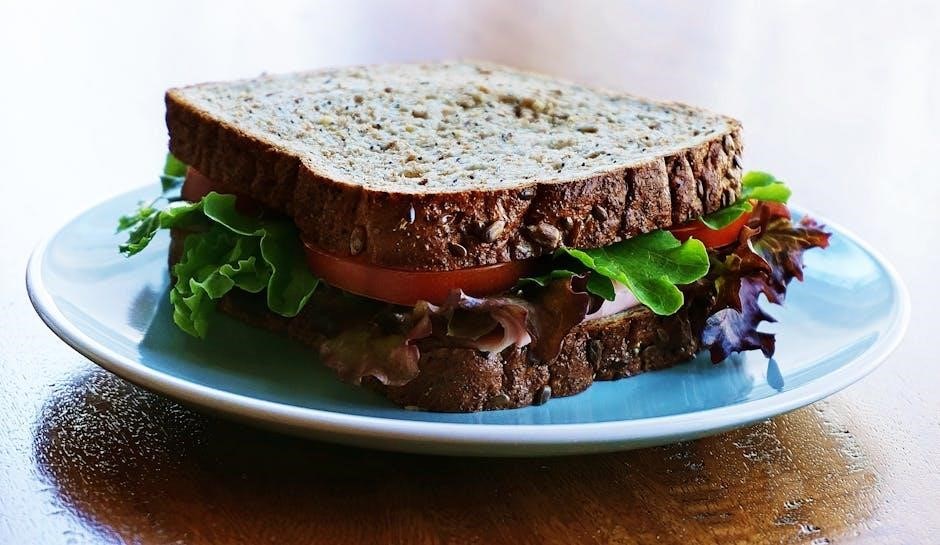
The Wheat Belly diet plan PDF emphasizes protein and non-starchy vegetables for both lunch and dinner. Salads with grilled chicken or fish are excellent choices, utilizing olive oil-based dressings. Lean meats, such as turkey or beef, paired with steamed broccoli or asparagus, are also recommended.
Avoid processed foods, fried items, and cured meats. Focus on whole, unprocessed ingredients. Small portions of fruit can be included. Prioritize healthy fats like avocado oil. Remember to stay hydrated throughout the day.
Resources for Further Information
For a comprehensive understanding, explore the Wheat Belly Diet PDF, offering detailed guidelines and meal suggestions. Scribd hosts this valuable resource, providing a free download option. Numerous websites delve into the diet’s principles, offering recipes and support communities.
Consider books authored by Dr. William Davis, the diet’s creator, for in-depth knowledge. Online forums and social media groups connect individuals following the plan. Always consult a healthcare professional before starting any new diet.
Recommended Books and Websites
Dr. William Davis’s books, including “Wheat Belly” and related titles, are foundational resources. These provide the scientific rationale and detailed implementation of the diet. Explore websites dedicated to the Wheat Belly lifestyle for recipes and community support.
Scribd (view the Wheat Belly Diet PDF) offers downloadable resources. Healthline and Medical News Today provide articles analyzing the diet’s benefits and drawbacks. Always verify information with a healthcare professional before making dietary changes.
Wheat Belly Diet PDF Availability and Downloads
Numerous online platforms host the Wheat Belly Diet PDF for convenient access. Scribd (link to the document) is a prominent source, offering the document alongside related materials. Other websites may also provide downloadable versions, but exercise caution regarding source reliability.
Ensure downloaded PDFs are from reputable sites to avoid malware. Consider purchasing the official ebook for guaranteed accuracy and support the author. Always prioritize verified sources for health information.
Is the Wheat Belly Diet Right for You?
The Wheat Belly Diet, detailed in available PDF resources like those found on Scribd, presents a restrictive approach to eating. Its success hinges on strict wheat elimination and a focus on whole, unprocessed foods.
Consider your health goals and commitment level. If you suspect wheat sensitivity or seek significant dietary change, it may be beneficial. However, consult a healthcare professional before starting any new diet.
Be First to Comment