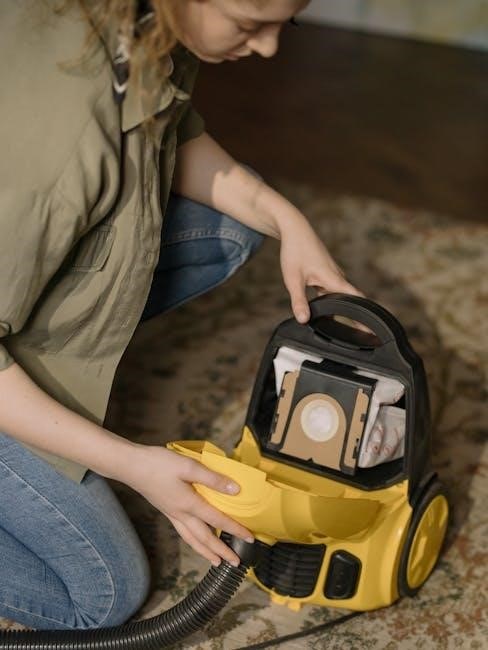
Article Plan: Ridgid Shop Vac Instruction Manual
This comprehensive guide details assembly, operation, maintenance, and troubleshooting for Ridgid shop vacs, including models WD40700 and WD1665,
Ridgid shop vacuums are renowned for their durability and powerful suction, serving both professional contractors and home improvement enthusiasts. These wet/dry vacs efficiently handle everything from sawdust and debris to spilled liquids, making them indispensable tools.
Ridgid offers a diverse range of models, from compact 4-gallon units like the WD40700 to larger 16-gallon options such as the WD1665. Many models now include the convenience of an 18-volt battery integration, offering cordless operation. Understanding your specific model and its features is key to maximizing its performance and lifespan. This manual aims to provide detailed guidance on all aspects of Ridgid shop vac ownership.
Understanding Ridgid Shop Vac Models
Ridgid shop vacs come in various sizes and configurations to suit different needs. The WD40700 is a 4-gallon model, ideal for smaller cleanups and portability, while the WD1665 boasts a 16-gallon capacity for larger jobs.
Key distinctions include tank material (polypropylene or stainless steel), motor horsepower, and features like onboard hose storage and battery compatibility. Newer models often feature the RIDGID 18-volt battery system for cordless convenience. Carefully reviewing the model number and specifications ensures you select the right vac for your tasks and understand its unique capabilities. Referencing the owner’s manual specific to your model is crucial.
Safety Precautions
Prioritizing safety is paramount when operating a Ridgid shop vac. Always disconnect the power source before performing maintenance or changing accessories. Never vacuum flammable liquids or combustible materials, as this poses a serious fire hazard.
Wear appropriate eye protection to prevent debris from causing injury. Avoid vacuuming hazardous materials without proper filtration. Ensure the vac is stable during operation and avoid using extension cords unless absolutely necessary. Familiarize yourself with all safety warnings detailed in the owner’s manual before initial use to prevent accidents and ensure safe operation.
General Safety Rules
Always read the complete instruction manual before using your Ridgid shop vac. Keep the work area well-lit and clear of obstructions. Never leave the vacuum unattended while it’s running. Ensure proper ventilation when vacuuming dusty materials.
Do not modify the vacuum in any way, as this could compromise its safety features. Use only manufacturer-approved accessories and replacement parts. Keep children and bystanders away from the operating vacuum. Inspect the power cord regularly for damage and replace if necessary. Following these rules ensures a safe and efficient cleaning experience.
Electrical Safety Guidelines
To prevent electrical shock, never operate the Ridgid shop vac with a damaged cord or plug. Avoid using extension cords unless absolutely necessary, and if used, ensure they are heavy-duty and properly grounded. Do not expose the vacuum to rain or wet conditions.
Always unplug the vacuum before performing any maintenance or changing accessories. Never pull the cord to disconnect the vacuum from the power outlet; grasp the plug instead. Ensure the power outlet is compatible with the vacuum’s voltage requirements. Adhering to these guidelines minimizes the risk of electrical hazards.
Assembly Instructions
Before first use, carefully unpack your Ridgid shop vac and verify all components are present. Initial assembly involves securely attaching the hose to the vacuum inlet, ensuring a tight and leak-proof connection. Next, connect desired accessories – floor nozzles, crevice tools, or utility nozzles – to the hose’s other end.
Proper assembly is crucial for optimal performance. Refer to the detailed diagrams in your owner’s manual for specific model instructions. Double-check all connections before powering on the vacuum to prevent suction loss and ensure safe operation.
Attaching the Hose
To attach the hose, align the hose cuff with the vacuum inlet port. Firmly push the hose onto the port until you hear a distinct click, indicating a secure connection. Ensure the hose is fully seated to prevent air leaks during operation.
Some models may feature a twist-lock mechanism; rotate the hose cuff clockwise to lock it in place. Regularly inspect the hose connection for tightness, especially after moving the vacuum. A loose hose significantly reduces suction power and cleaning efficiency. Refer to your model’s manual for specific hose attachment details.
Connecting Accessories
Ridgid shop vacs offer versatile accessory connections for diverse cleaning tasks. Attach accessories directly to the hose end or the vacuum’s auxiliary port, depending on the accessory type and desired function. Ensure a snug fit to maintain optimal suction.
Crevice tools, floor nozzles, and utility nozzles easily connect and disconnect. Some accessories may require a specific adapter; consult your manual. Regularly check accessory connections for security during use. Proper accessory attachment maximizes cleaning effectiveness and prevents disruptions during operation, enhancing your overall cleaning experience.
Operating Instructions
Before operation, ensure the shop vac is correctly assembled with the appropriate filter and bag (if applicable). To power on, plug the vacuum into a grounded electrical outlet. The power switch is typically located on the vacuum’s body.
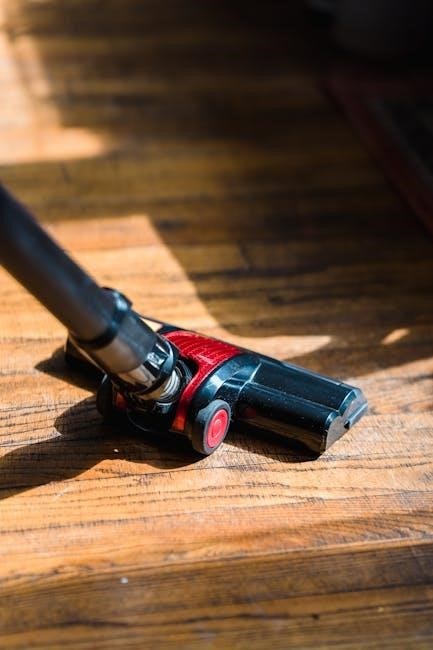
For wet pickup, remove the dry filter. For dry pickup, ensure the dry filter is installed. Always follow safety precautions regarding flammable liquids. Monitor the vacuum during operation and address any unusual noises or loss of suction immediately. Proper operation ensures efficient cleaning and prolongs the vacuum’s lifespan.
Powering On and Off
To initiate operation, firmly plug the Ridgid shop vac into a grounded electrical outlet, ensuring compatibility with the voltage requirements. Locate the power switch, usually prominently positioned on the vacuum’s housing. Press the switch to the ‘On’ position to start the motor.
To cease operation, press the switch back to the ‘Off’ position. Always disconnect the vacuum from the power source when not in use or during maintenance. Never force the switch; a smooth, deliberate action is recommended for optimal performance and longevity.
Wet Pickup Operation
Before wet pickup, remove the dry filter to prevent damage and ensure optimal suction. Ensure the dust collection bag is removed or appropriately designed for wet use. When collecting liquids, avoid overfilling the tank; periodically empty it to maintain efficient operation and prevent motor strain.
Always lift and empty the tank carefully, as liquids can be heavy. After wet pickup, thoroughly dry the tank and accessories to prevent corrosion and maintain the vacuum’s lifespan. Reinstall the appropriate filter for subsequent dry pickup tasks.
Dry Pickup Operation
For dry pickup, ensure the correct filter is installed – typically a cartridge or cloth filter – to capture dust and debris effectively. Utilize a dust collection bag for finer particles, enhancing filtration and simplifying disposal. Regularly check the filter and bag, replacing them when full or clogged to maintain strong suction.
Avoid picking up flammable materials or liquids without the appropriate wet/dry filter installed. Inspect the tank frequently and empty it before it becomes overly full, optimizing performance and preventing motor issues.

Filter Maintenance
Maintaining your Ridgid shop vac’s filter is crucial for optimal performance and longevity. Regular cleaning or replacement prevents suction loss and motor damage. Different models utilize various filter types – cartridge, foam sleeve, or disposable bags – each requiring specific care.
Inspect filters after each use, tapping off loose debris. Washable filters should be rinsed thoroughly and allowed to dry completely before reinstalling. Disposable filters must be replaced when visibly dirty or damaged. Ignoring filter maintenance significantly reduces the vacuum’s efficiency.
Filter Types and Selection
Ridgid shop vacs employ diverse filter technologies tailored to specific cleaning needs. Standard cartridge filters excel at capturing fine dust, ideal for dry pickup. Foam sleeves are commonly used for wet applications, preventing liquid from reaching the motor. Disposable bags offer convenient, single-use filtration for large debris.

Selecting the appropriate filter depends on the material being vacuumed. For fine dust, a high-efficiency particulate air (HEPA) filter is recommended. Always consult your model’s manual to ensure compatibility and optimal performance. Using the wrong filter can compromise suction and potentially damage the vacuum.
Cleaning and Replacing Filters
Regular filter maintenance is crucial for maintaining optimal suction and extending your Ridgid shop vac’s lifespan. For washable filters, gently tap off loose debris, then rinse with cool water – avoid soap. Allow the filter to dry completely before reinstalling, preventing mold growth.

Disposable filters and bags should be replaced when full or visibly damaged. Cartridge filters may require periodic replacement even after cleaning, depending on usage. Refer to your owner’s manual for specific replacement intervals. A clogged filter significantly reduces performance and can strain the motor.
Bagging System
Ridgid shop vacs utilize a bagging system for convenient and cleaner debris collection, particularly for fine dust and dry materials. Proper bag installation ensures a secure seal, maximizing suction power and preventing dust leakage. Align the bag collar with the vacuum’s intake opening and firmly attach it, ensuring a snug fit.
Bag replacement is straightforward: detach the full bag, dispose of it responsibly, and install a new one. Regularly check bag fullness to prevent clogging and maintain optimal performance. Using genuine Ridgid bags guarantees compatibility and efficient filtration.
Bag Installation
To install a Ridgid shop vac bag, begin by ensuring the vacuum is powered off and unplugged for safety. Locate the bag mounting flange on the vacuum’s intake. Carefully align the bag’s collar with this flange, ensuring a proper and secure fit. Gently push the bag onto the flange until it clicks or is firmly seated.
Verify the bag is securely attached to prevent dust leakage during operation. A tight seal is crucial for maintaining optimal suction. Always use genuine Ridgid bags designed for your specific model to guarantee compatibility and efficient filtration.
Bag Replacement
Replacing a Ridgid shop vac bag is essential for maintaining suction and preventing motor damage. Always disconnect the vacuum from the power source before beginning. Locate the used bag and gently pull it away from the mounting flange – a full bag may require a bit more effort.
Dispose of the used bag responsibly. Then, follow the ‘Bag Installation’ instructions to attach a new, genuine Ridgid bag. Regularly replacing the bag, especially when full, ensures optimal performance and extends the lifespan of your vacuum cleaner.
Accessory Usage
Ridgid shop vacs offer versatile accessory options for diverse cleaning tasks. The crevice tool excels at reaching tight spaces, corners, and along edges; Utilize the floor nozzle for broad surface cleaning, effectively capturing debris on hard floors and carpets.
The utility nozzle provides a balanced approach, suitable for various surfaces and general cleanup. Ensure a secure connection when attaching accessories to maintain optimal suction. Proper accessory selection maximizes cleaning efficiency and protects your vacuum from strain.
Crevice Tool
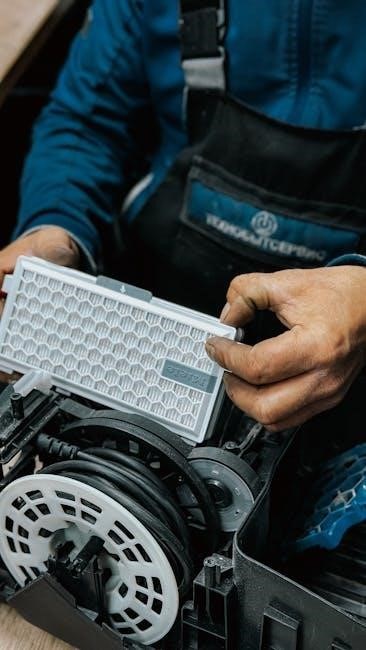
The Ridgid crevice tool is designed for precision cleaning in hard-to-reach areas. Its narrow, elongated nozzle effectively targets dust, dirt, and debris within cracks, crevices, and tight spaces. This accessory is ideal for cleaning along baseboards, between furniture cushions, and in automotive interiors.
To use, firmly attach the crevice tool to the shop vac hose. Apply steady pressure while maneuvering the tool into the desired area. For optimal results, maintain a slow and deliberate cleaning pace, ensuring thorough debris removal.
Floor Nozzle
The Ridgid floor nozzle is engineered for efficient cleaning of hard floors and low-pile carpets. Its wide opening and brush strip design effectively sweep up large debris and fine dust particles. This attachment minimizes scratching and provides optimal surface contact for thorough cleaning.
To utilize, securely connect the floor nozzle to the shop vac hose. Employ a sweeping motion across the floor surface, overlapping each pass to ensure complete coverage. Adjust the brush strip height, if applicable, to suit different floor types for best performance.
Utility Nozzle
The Ridgid utility nozzle is a versatile attachment designed for reaching tight spaces and cleaning upholstery. Its narrow profile allows access to corners, crevices, and along baseboards where larger nozzles cannot reach. This nozzle excels at detailed cleaning tasks around the home or workshop.
Attach the utility nozzle firmly to the shop vac hose. Use a focused suction approach for precise debris removal. It’s ideal for cleaning car interiors, furniture, and delicate surfaces. Exercise caution when cleaning sensitive materials to avoid damage.

Troubleshooting Common Issues
Encountering problems with your Ridgid shop vac is common, but often easily resolved. Loss of suction is frequently caused by a full bag or filter, or a clogged hose – inspect and clear these first. If the motor overheats, immediately turn off and unplug the vacuum, allowing it to cool completely before resuming use.
Check for obstructions in the tank and hose. Ensure the filter is correctly installed and not excessively dirty. For persistent issues, consult the full manual or Ridgid’s customer support for further assistance and potential repair options.
Loss of Suction
A noticeable decrease in suction power is a frequent concern with shop vacuums. The primary culprits are usually a full collection bag or a dirty filter – both restrict airflow. Regularly check and replace the bag, and clean or replace the filter as needed, following the maintenance schedule in the manual.
Also, inspect the hose and attachments for clogs. Disconnect and visually examine for obstructions. Ensure a tight seal between the hose and the vacuum body; Addressing these simple issues often restores optimal suction performance.
Motor Overheating
If your Ridgid shop vac motor overheats and shuts off, immediately power down and disconnect it from the electrical outlet. Overheating typically results from prolonged use, a blocked filter restricting airflow, or picking up excessively fine particles. Allow the motor to cool completely – this could take 30-60 minutes – before attempting to restart.
Ensure the filter is clean and the collection bag isn’t full. Avoid continuous operation for extended periods; intermittent use prevents excessive heat buildup. If overheating persists, consult the troubleshooting section or contact Ridgid customer support.
Maintenance and Care
Regular maintenance extends the lifespan of your Ridgid shop vac. After each use, or when full, empty the tank promptly to prevent corrosion and maintain suction power. Periodically clean the tank with a mild detergent and water, ensuring it’s completely dry before reassembly. Inspect the hose and accessories for cracks or blockages, replacing them as needed.
Consistent filter cleaning and replacement are crucial. Store the shop vac in a dry location, protecting it from extreme temperatures. Proper care ensures optimal performance and prevents premature wear and tear.
Cleaning the Tank
To clean the Ridgid shop vac tank, first disconnect the power supply. Remove the filter and any attached bags. Empty any remaining debris. Use a mild detergent and warm water to wash the interior of the tank, scrubbing gently to remove stubborn residue.
Rinse thoroughly with clean water, ensuring no soap remains. Allow the tank to air dry completely before reassembling the filter and bag. Inspect the tank for any cracks or damage during cleaning. A clean tank maintains optimal suction and prevents odors.
Storing the Shop Vac
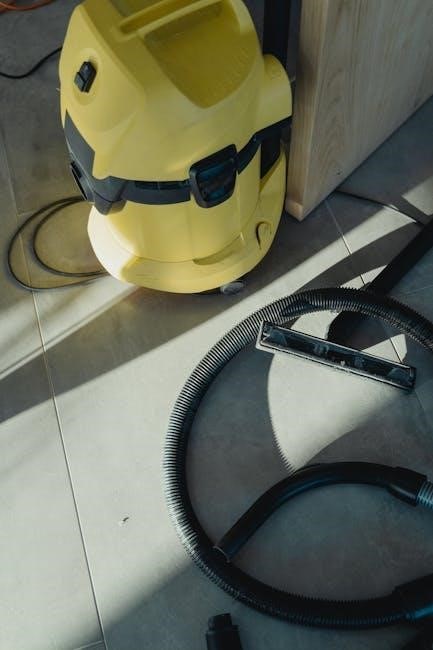
Proper storage extends the lifespan of your Ridgid shop vac. Before storing, ensure the tank is completely dry and free of debris. Coil the hose neatly and secure it with a strap or tie. Store accessories alongside the vacuum in a dry, protected location, away from extreme temperatures.
Avoid storing in direct sunlight or damp environments. If possible, cover the shop vac to prevent dust accumulation. Regularly check the storage area for pests. Correct storage preserves functionality and prevents potential damage to components.

Understanding the RIDGID 18-Volt Battery Integration
Many Ridgid shop vac models now offer cordless convenience through 18-volt battery compatibility. This integration allows for untethered operation, enhancing portability and accessibility in various work areas. The battery seamlessly powers the vacuum, providing consistent suction for both wet and dry cleanup tasks.
RIDGID often includes a battery and charger with select models, creating a complete, ready-to-use kit. Battery life varies depending on usage and suction power settings. Utilizing the 18-volt system expands versatility within the RIDGID tool ecosystem.
RIDGID WD40700 Specific Instructions
The RIDGID WD40700 is a 4-gallon, 15-liter wet/dry vacuum designed for smaller cleanup tasks. Its compact size doesn’t compromise power, offering reliable suction for both wet and dry debris. Assembly involves securely attaching the hose and selecting appropriate accessories for the job at hand.
Pay close attention to the filter placement, ensuring it’s correctly installed for optimal performance. The WD40700’s portability makes it ideal for car interiors, workshops, and quick cleanups. Refer to the owner’s manual for detailed instructions on operation and maintenance specific to this model.
RIDGID WD1665 Specific Instructions
The RIDGID WD1665 is a 16-gallon wet/dry vacuum, offering a larger capacity for more substantial cleanup projects. This model frequently includes an 18-volt battery and charger, providing cordless convenience. Proper assembly requires secure hose connection and accessory attachment, ensuring a tight seal for maximum suction.
Utilize the larger tank capacity for bigger messes, but remember to regularly check and replace the filter to maintain performance. The WD1665 is versatile, handling everything from construction debris to everyday household spills. Consult the owner’s manual for detailed guidance on its features and operation.
Downloading Ridgid Vacuum Manuals (PDF)
Accessing your Ridgid vacuum manual in PDF format is straightforward; Visit the official Ridgid website and navigate to the support or manuals section. You can search by model number for a precise match, ensuring you download the correct documentation. Alternatively, numerous third-party websites archive these manuals for convenient access.
Downloading the PDF allows offline viewing and printing, providing a readily available resource for troubleshooting or understanding your vacuum’s features. Keep the manual saved on your device for future reference, simplifying maintenance and repair procedures.
Finding Manuals by Model Number
Locating the correct manual using your Ridgid shop vac’s model number is crucial for accurate information. The model number is typically found on a sticker affixed to the vacuum’s tank or housing. Once you have this number, visit the Ridgid website’s support section and enter it into the search bar.
This will directly link you to the corresponding PDF manual. Alternatively, many online parts retailers and tool websites also offer downloadable manuals searchable by model number, providing multiple avenues for finding the documentation you need for your specific Ridgid vacuum.
Using the RIDGID AI Chatbot for Manual Assistance
RIDGID offers an AI chatbot specifically trained on their WD4070 Owners Manual, providing instant access to information. This chatbot can quickly locate specific details within the manual, saving you time and effort compared to traditional PDF searching.
Simply ask your question in natural language, and the AI will provide a clear and concise answer. It’s an excellent resource for understanding complex instructions or troubleshooting issues, offering a convenient alternative to browsing lengthy documentation. This tool enhances user experience and support.
Warranty Information
RIDGID shop vacs are backed by a comprehensive warranty, offering peace of mind to customers. While specific terms vary by model and purchase date, RIDGID generally provides coverage against defects in materials and workmanship.
It’s crucial to register your shop vac after purchase to activate the full warranty benefits. Keep your proof of purchase safe, as it’s required for any warranty claims. Review the warranty documentation included with your product for detailed information regarding coverage duration and limitations.
Contacting Ridgid Customer Support
RIDGID offers multiple avenues for customers needing assistance with their shop vacs. For immediate support, visit the official RIDGID website, which features a comprehensive FAQ section and troubleshooting guides.
You can also reach RIDGID customer support via phone during business hours; specific contact numbers are available on their website. Alternatively, explore online forums and communities where fellow RIDGID users share solutions and advice. Don’t hesitate to utilize these resources for prompt and effective help with any issues.
Resources for Parts and Repairs
Finding replacement parts for your Ridgid shop vac is readily achievable through several channels. The official RIDGID website hosts a parts store, allowing direct purchase of components like filters, hoses, and nozzles.
Additionally, major retailers like Home Depot, which carries RIDGID products, often stock common replacement parts both in-store and online. For more complex repairs, consider authorized RIDGID service centers; their locations can be found on the RIDGID website. Online parts suppliers also offer a wide selection, ensuring easy access to necessary components.

Frequently Asked Questions (FAQ)
Q: My shop vac has lost suction – what should I do? A: Check the filter for clogs and replace if necessary. Ensure the hose and attachments are securely connected and free of obstructions.
Q: Can I use my Ridgid shop vac for flammable liquids? A: No, Ridgid shop vacs are designed for wet and dry pickup of non-flammable materials only. Q: Where can I find a digital copy of my manual? A: Visit the RIDGID website and utilize the model number search function to download a PDF version.
Regular maintenance is key to extending the life of your Ridgid shop vac. Consistent filter cleaning and replacement, alongside thorough tank cleaning, prevent performance decline. Proper storage, away from extreme temperatures and moisture, safeguards internal components. Utilizing genuine Ridgid accessories ensures compatibility and optimal function.
Don’t hesitate to leverage the RIDGID AI chatbot or customer support for assistance. By following these guidelines, you’ll ensure years of reliable service from your investment;
Be First to Comment